
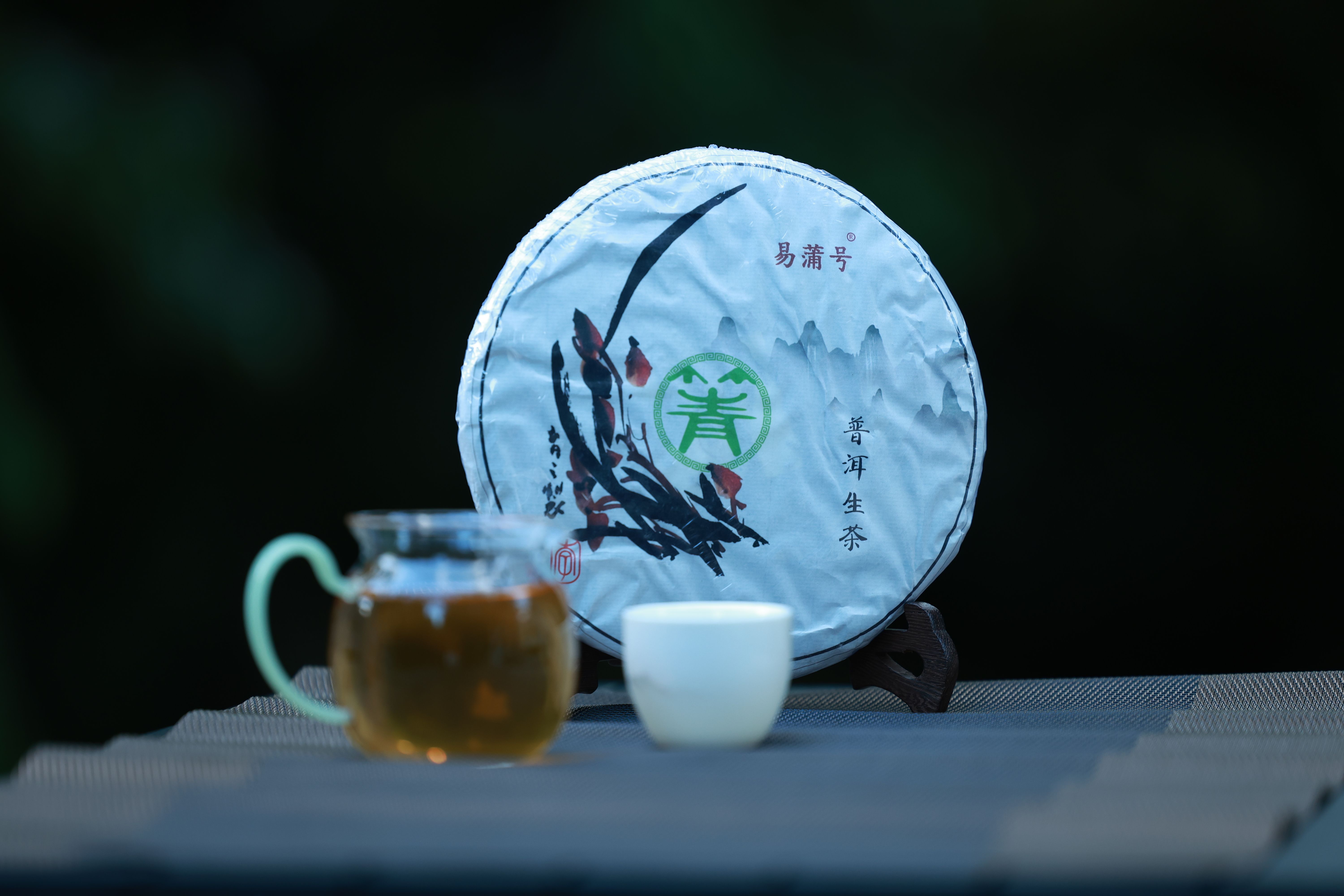
Learn how dark fermentation affects flavor, aging potential, and investment value in Pu-erh tea selection.
Sheng (Raw) Pu-erh: Slow Natural Aging
Sheng pu-erh undergoes no fermentation after pressing. Fresh leaves oxidize and cure at 60-80°C for 2-3 hours, preserving enzyme activity for decades of aging. Young sheng tastes grassy or astringent; after 5-10 years in dry storage, it smooths into honey, dried fruit, and aged leather notes. Myanmar and Yunnan border regions (Bingdao, Yibang) produce sheng with thicker body and mineral notes. Collector-grade sheng (2015 onwards) trades at $50-200 per 357g cake; investment-grade vintages from 2000s exceed $500.
Shou (Ripe) Pu-erh: Accelerated Fermentation
Shou pu-erh underwent heap fermentation (wo dui) starting in 1973—the leaves are moistened and stacked for 45-90 days while beneficial bacteria break down cellulose. This compressed timeline mimics 15-20 years of natural aging. Flavor matures quickly: earthy, smooth, plum-like, with no astringency. Shou is ready to drink immediately; minimal additional aging. Production cost is 30-40% lower than sheng, making it ideal for bulk imports and cafes. Standard grade shou costs $8-15 per 357g; premium factory shou (Menghai, Xiaguan) runs $15-40 per cake.
Fermentation Depth and Color
Fermentation % (visible as color in brewed tea) ranges 10-90%. Light fermentation (10-40%) yields golden-amber soup and fruity character—popular in Vietnam and Malaysia. Medium fermentation (40-70%) appears dark brown with sweet, earthy notes. Full fermentation (80%+) is black-brown, smooth, minimal astringency. Degree of fermentation directly impacts shelf price: fully fermented shou can move volume quickly; lightly fermented shou ages like sheng and commands higher margins long-term.
Storage and Investment Potential
Humidity 60-70%, temperature 18-25°C, and odor-free environment prevent mold. Cakes with clear provenance (factory stamps, dated wrapper) appreciate 5-15% annually if sealed properly. Counterfeits are common in Pu-erh; request tasting samples and verify 8-digit batch codes on cake wrapper before bulk orders.